

Solar Powered CCTVSolar Powered CCTV for Construction Sites Across Victoria
Construction can begin before permanent power and internet are available. Equipment, tools and building materials may already be on site, creating a need for surveillance while the project's infrastructure is still developing.
Solar powered CCTV offers an option for construction sites where conventional power is limited. Solar powered security cameras can support site surveillance when the selected equipment, battery capacity and available sunlight suit the operating requirements. With compatible connectivity, solar wireless security cameras may also support remote viewing without fixed internet.
The right arrangement depends on the site layout, sunlight exposure, connectivity and areas requiring visibility.
Need site security before permanent power is connected? Discuss your site requirements with ArmourTech.
- 2–3 day deployment
- 24/7 monitored response
- No mains power required
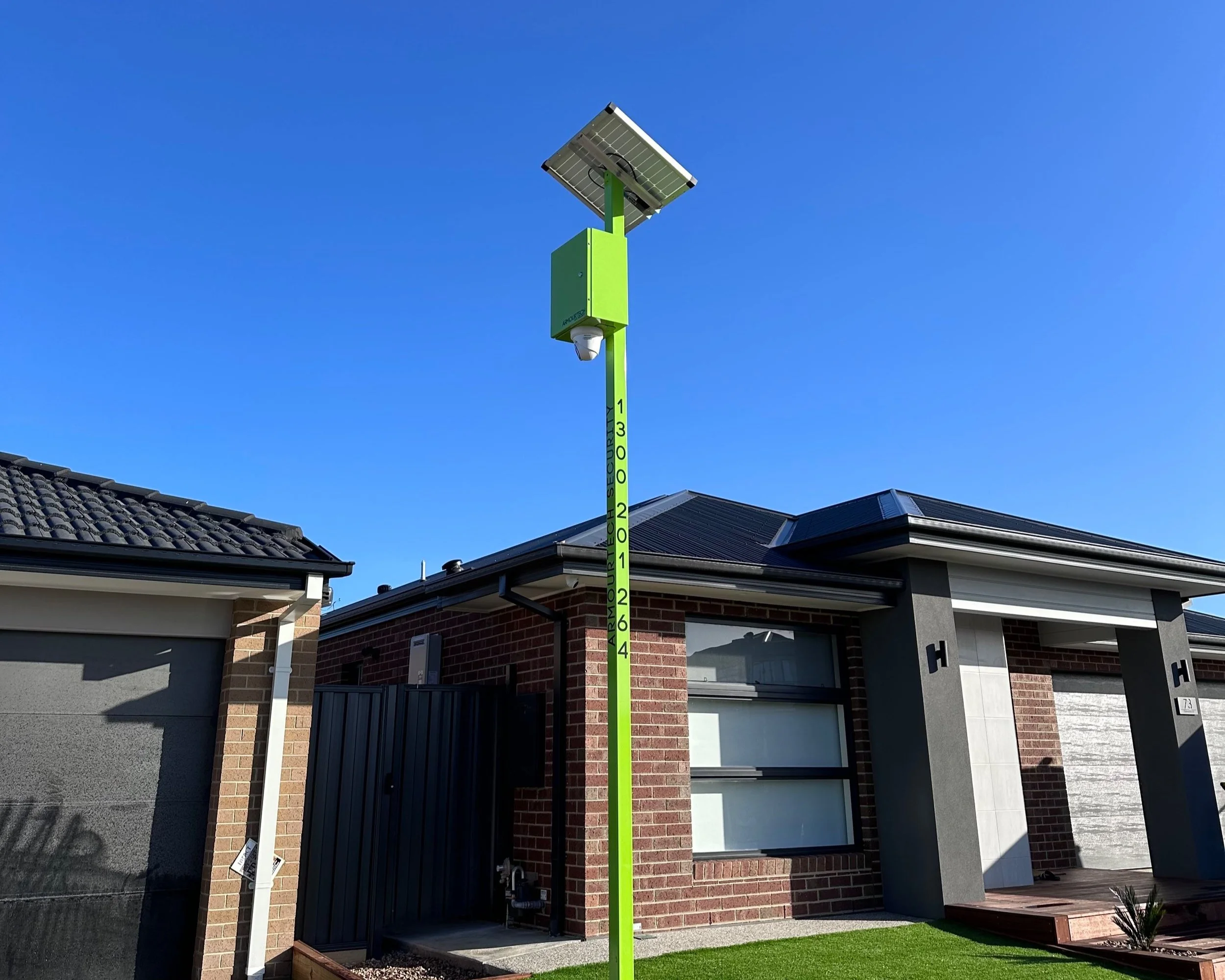
Solar Powered Security Cameras for Construction Sites
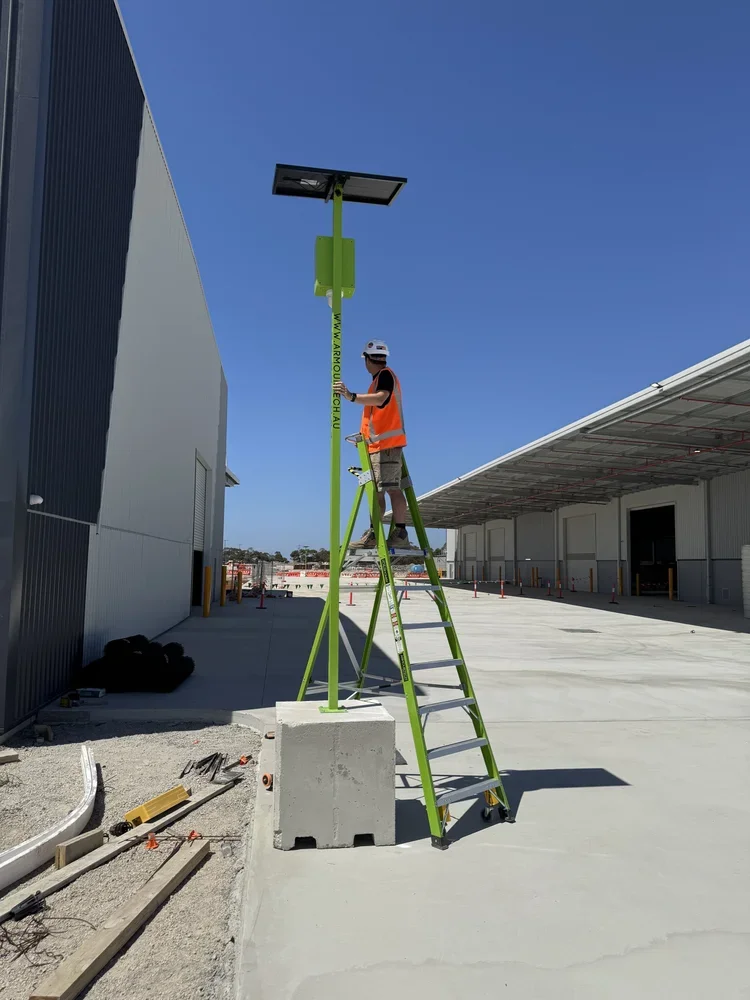
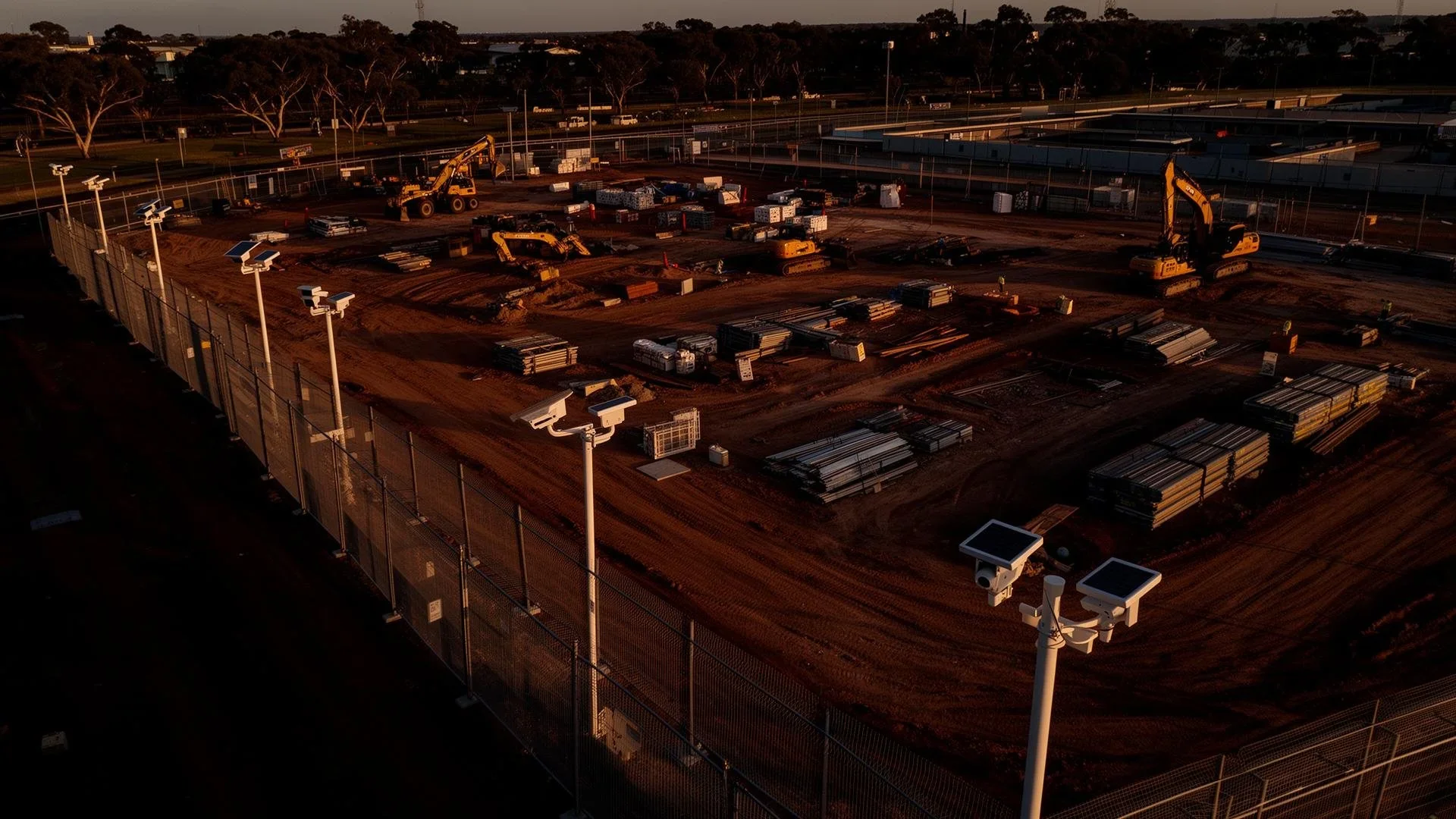
Solar powered security cameras use panels to generate electricity, while compatible battery storage can support operation when sunlight is insufficient. This can be useful during early construction, when mains power may not yet be connected.
For builders and site managers, solar powered security cameras provide an option worth assessing when conventional cabling is impractical. However, the system must be matched to the camera's power demand and expected operating conditions.
Before choosing solar powered security cameras, consider:
Available sunlight and potential shading.
Battery capacity and the equipment's power requirements.
Camera placement and required viewing angles.
Expected construction changes that could affect coverage.
Solar power does not guarantee uninterrupted operation in every environment. A site assessment helps establish whether the proposed configuration is suitable.
How Do Solar Wireless Security Cameras Work?
Solar wireless security cameras combine solar-generated electricity with compatible wireless connectivity. Battery storage can support operation when sunlight is limited, while an appropriate network connection can enable footage transmission and remote access.
For construction projects without fixed internet, solar wireless security cameras may use compatible mobile connectivity, subject to network reception and equipment requirements.
It is important to distinguish the two functions. Solar power supplies electricity; wireless or mobile connectivity supports data transmission. Solar wireless security cameras therefore need both a suitable power arrangement and a workable connection for the features being used.
Depending on the selected equipment, functions may include remote viewing, activity detection and alerts. Confirm which features are available before selecting a system.
Solar CCTV Worth
When Is Solar CCTV Worth Considering?
Solar CCTV may be worth assessing in the following situations.
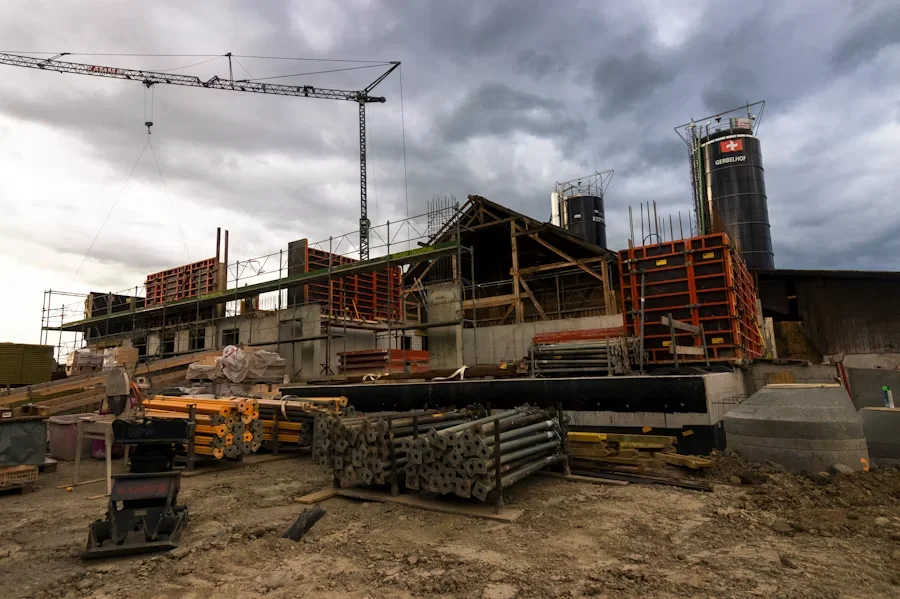
Construction Before Permanent Power
Early-stage projects may need surveillance before mains electricity is available. Solar powered security cameras can be considered where sunlight, battery support and equipment requirements make the arrangement practical.
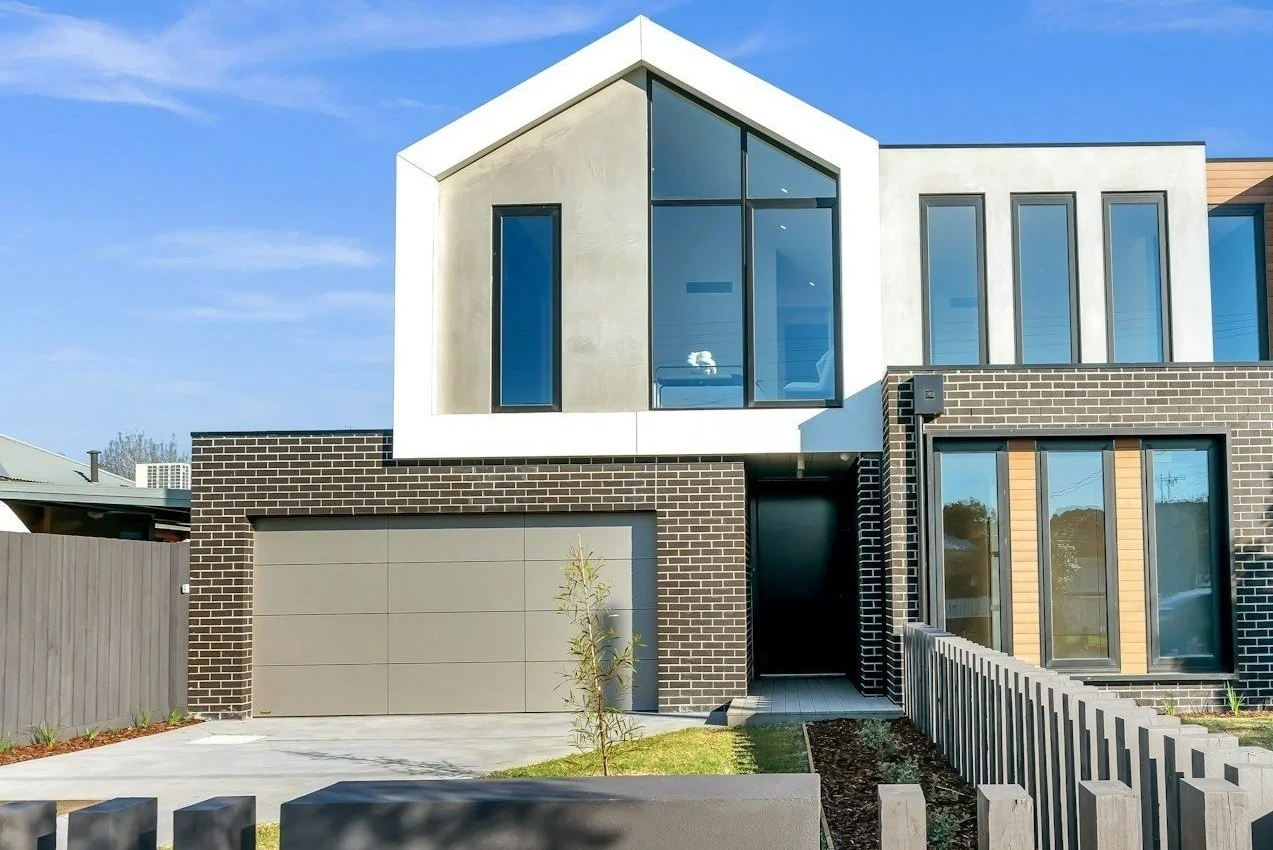
Sites Where Cabling Is Difficult
Excavation, temporary access routes and changing work zones can complicate fixed cabling. Solar wireless security cameras may offer an alternative where the selected equipment and connectivity suit the site.
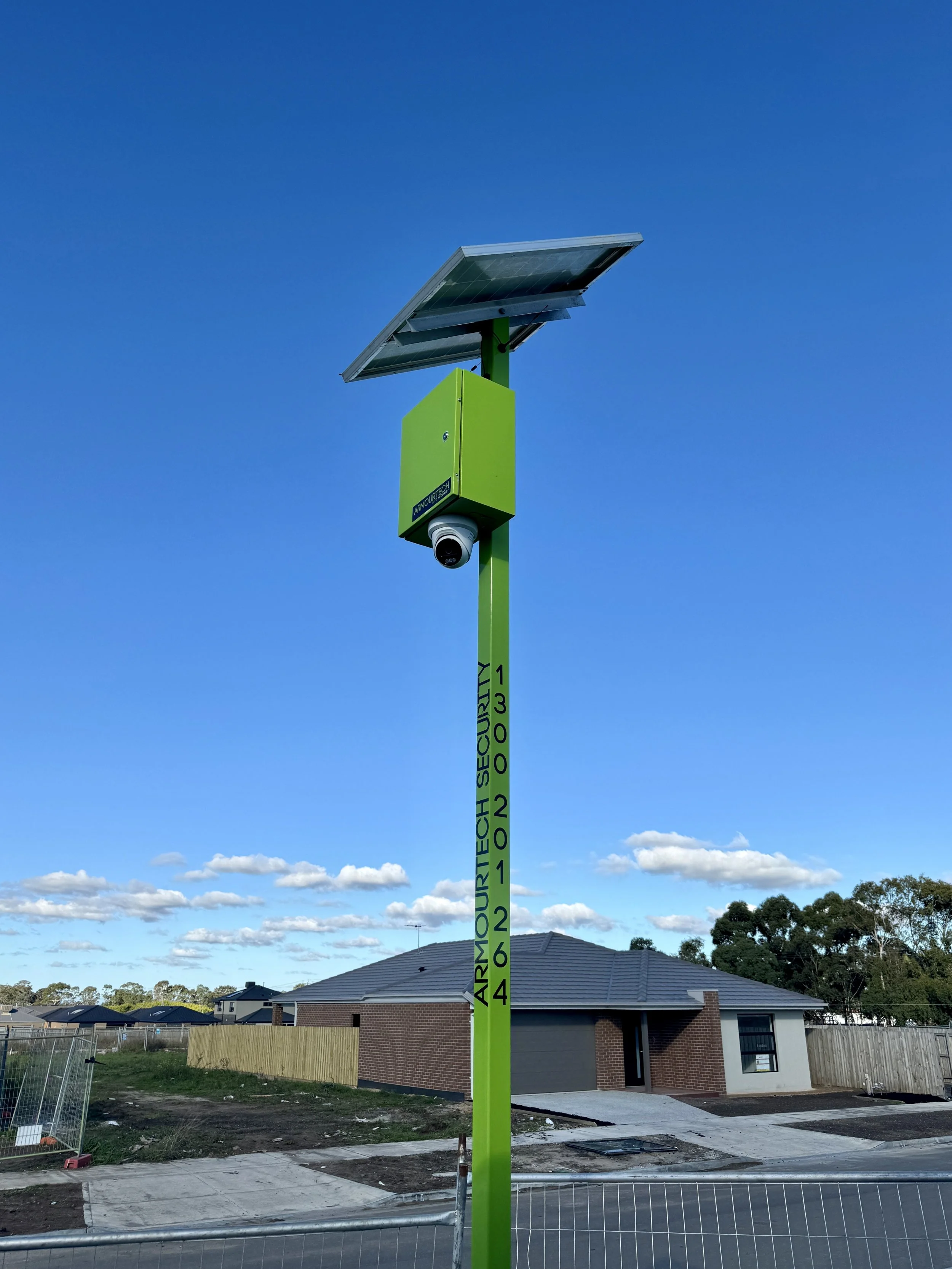
Remote Civil and Infrastructure Projects
Roadworks, infrastructure projects and remote worksites may have limited access to conventional services. Solar powered security cameras can be assessed for these environments, with attention to sunlight, network reception and the areas requiring visibility.
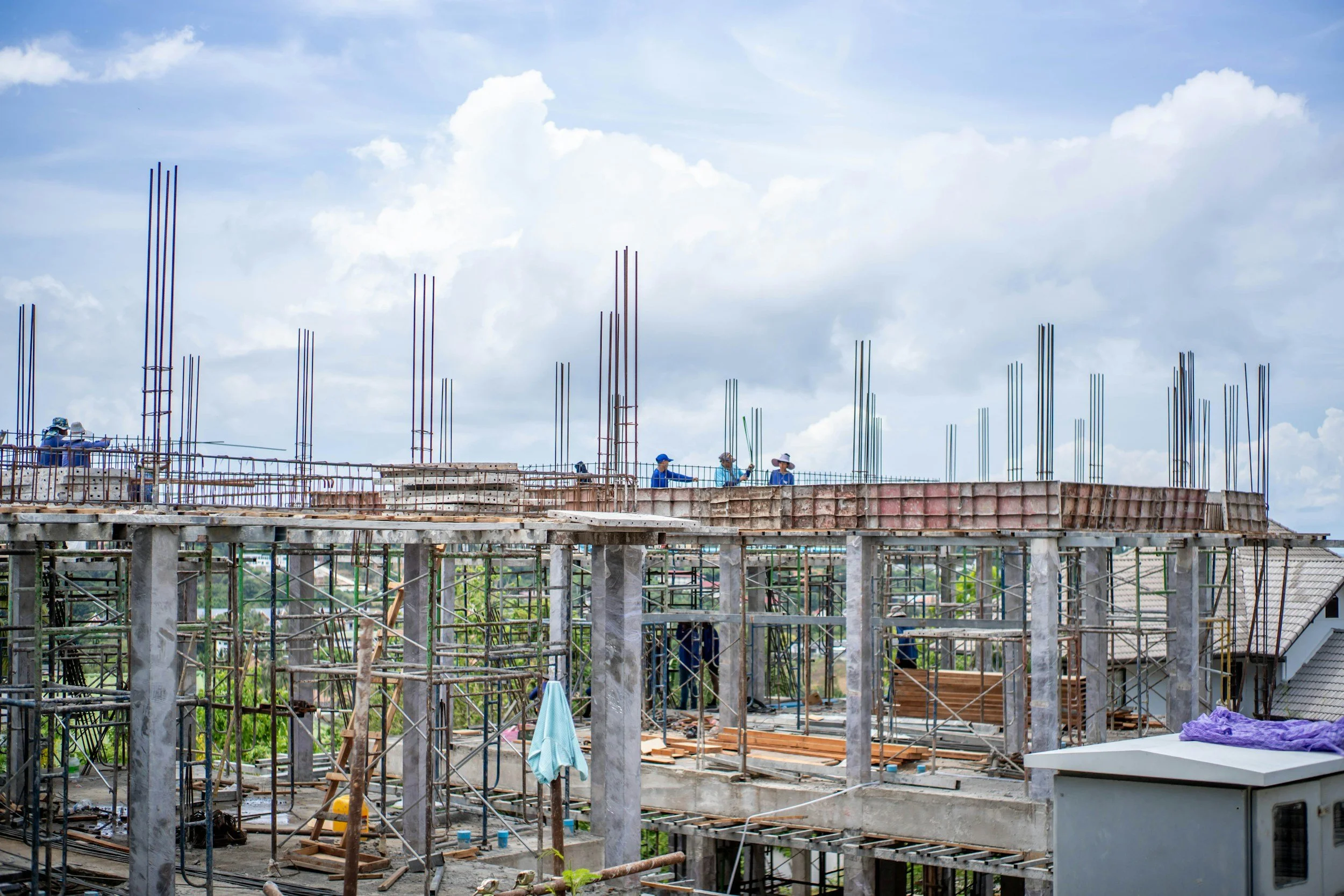
Temporary Work Areas
For a defined construction stage, solar wireless security cameras may be worth considering when surveillance requirements could change as work progresses. Camera relocation depends on the equipment and mounting arrangement.
What Does a Solar CCTV System Need?
The appropriate configuration depends on the site and the equipment selected.
| Component | What to assess |
|---|---|
| Solar panels | Sunlight exposure, shade and panel placement |
| Battery storage | Capacity relative to the expected power demand |
| Camera and mounting | Viewing angles, obstructions and secure positioning |
| Wireless connectivity | Whether fixed data cabling can be avoided |
| Mobile connectivity | Reception where remote access depends on a mobile network |
| Detection and viewing | Features available with the selected equipment |
Solar powered security cameras should be selected according to these practical requirements rather than a feature list alone. Similarly, solar wireless security cameras need a suitable connection if remote viewing or connected alerts are required.
Not every system includes every feature, so confirm the proposed configuration before proceeding.
Can Solar CCTV Work Without Mains Power or Fixed Internet?
It may be possible, depending on the system and site conditions. Solar powered security cameras can operate without a direct mains connection when solar generation, battery storage and equipment demand are appropriately matched.
Fixed internet is a separate consideration. Solar wireless security cameras may use compatible mobile connectivity for remote access, provided network reception and equipment compatibility are suitable.
A site can have adequate sunlight but poor mobile reception, or reliable reception but insufficient sunlight. Assess both requirements before choosing a system. Do not assume that every setup can operate independently of mains power and fixed internet under all conditions.
How to Choose the Right Setup
Before selecting solar powered security cameras or solar wireless security cameras, work through these practical considerations:
Define coverage: Identify entrances, equipment storage, materials and work zones that need visibility.
Assess sunlight: Check shading and whether the proposed panel position receives suitable sunlight.
Check connectivity: Confirm network reception where remote access or alerts are required.
Plan placement: Account for lighting, obstructions, site boundaries and construction changes.
Confirm features: Establish whether remote viewing, detection alerts or professional monitoring are needed and available.
Review other controls: CCTV should complement suitable fencing, lighting, access control and secure storage.
Solar powered security cameras are not a substitute for a broader site-security plan. Their role is to provide surveillance where the selected system suits the environment. Solar wireless security cameras should be assessed on the same basis, including their connectivity and operating requirements.
For broader guidance on temporary camera arrangements, explore ArmourTech's Site Security Solutions.
Get Started
Discuss Solar CCTV for Your Construction Site
Every construction site has different power, connectivity and coverage requirements. ArmourTech can discuss your site conditions and the available options for your project across Victoria.
If you are considering solar powered security cameras or solar wireless security cameras, share your location, construction stage and priority monitoring areas so the system's suitability can be assessed.
Contact ArmourTech Site Security to discuss your requirements.
FAQ
Frequently Asked Questions
-
Not for every function. Remote viewing and connected features may require a suitable network connection. Compatible mobile connectivity may be an option where fixed internet is unavailable, subject to network coverage.
-
Suitable systems can use solar generation and battery storage. Performance depends on sunlight, battery capacity, equipment demand and the selected configuration.
-
Some compatible systems may use mobile connectivity instead. Reception, equipment compatibility and the required features should be checked at the site.
-
Relocation depends on the equipment, mounting arrangement and deployment setup. Confirm whether repositioning is supported and what work it would involve.
-
No. Sunlight, shading, power demand, connectivity, camera placement and required coverage all affect suitability. Assessing these conditions helps identify the practical options for each project.